Routes Spain Screen tourism route · 40th anniversary

A vote at the end of the world

Spring 1977. Spain is preparing for its first free elections in forty years, and three young people from the city travel through the villages of northern Burgos asking for votes. In one of them, almost empty, they meet a man who needs no rallies to know what life is worth. Forty years after the film's release, its villages are still there.

Delibes, the Transition and rural Spain

Why this route will win you over

Miguel Delibes wrote El disputado voto del señor Cayo (The Disputed Vote of Mr. Cayo) in 1978, with the campaign for Spain's first democratic elections still fresh in memory. Antonio Giménez-Rico brought it to the screen in 1986, with Francisco Rabal as Mr. Cayo and Juan Luis Galiardo, Lydia Bosch and Iñaki Miramón as the three party activists who drive up from the city looking for votes.

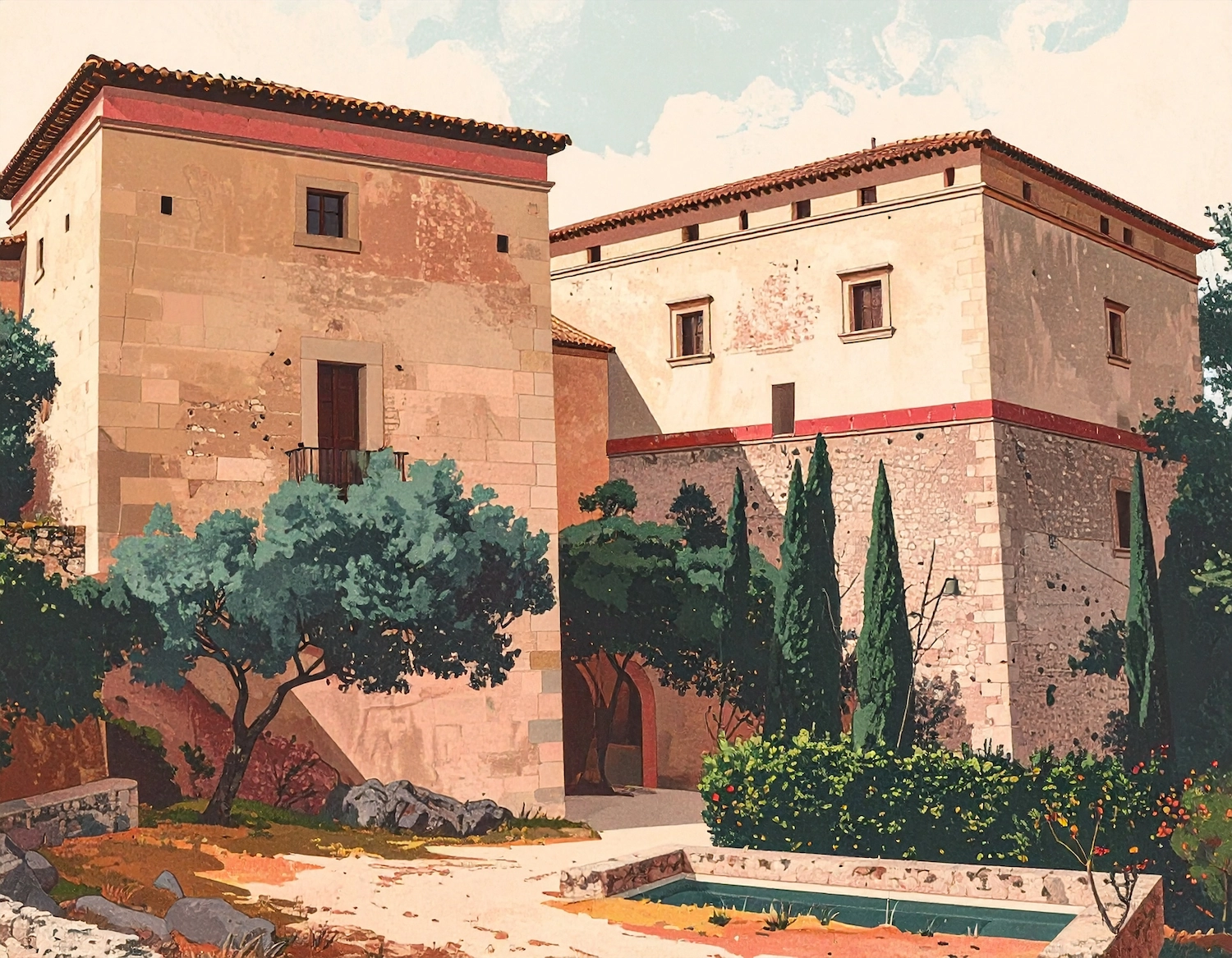
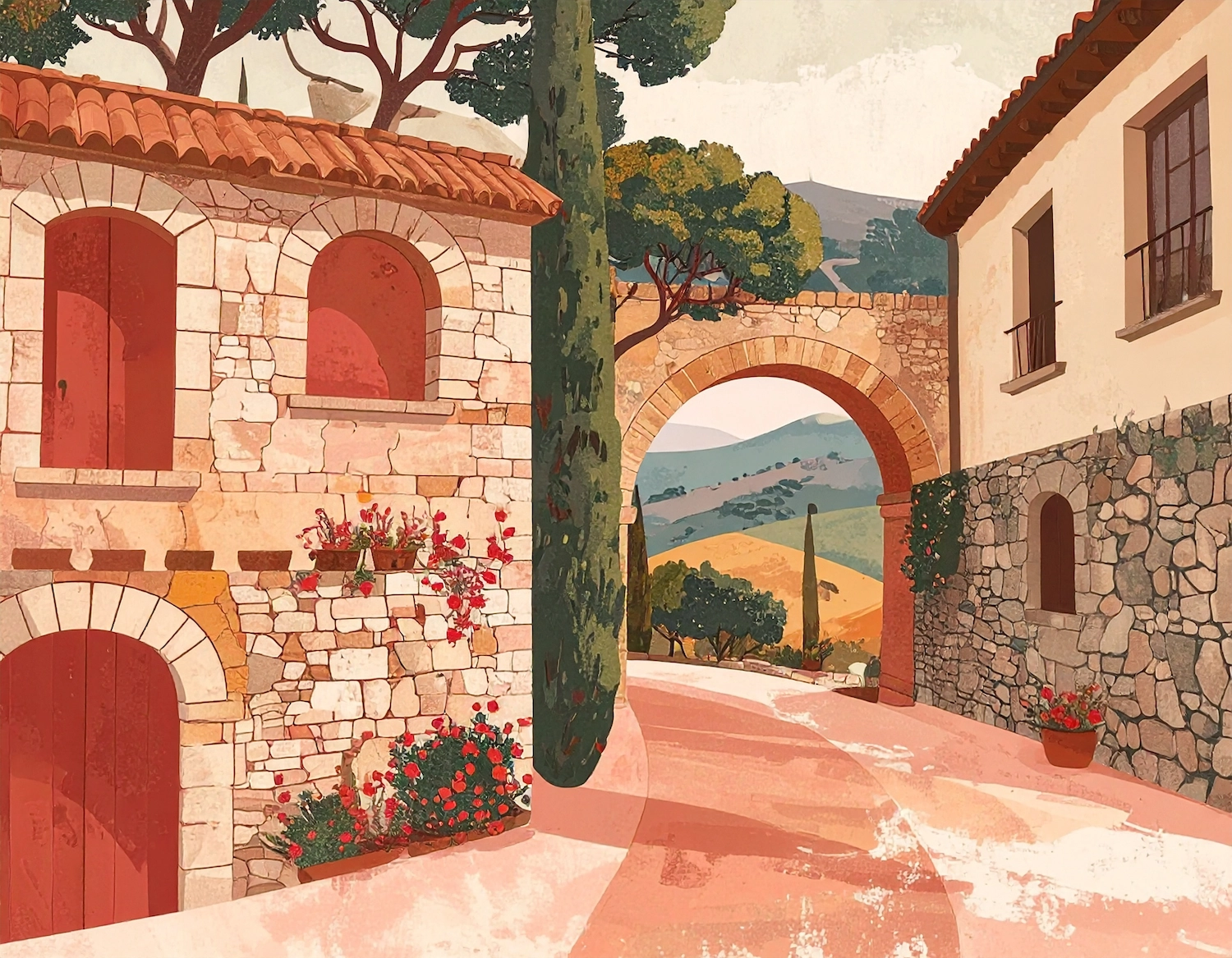
It is a story about politics, but above all about two Spains looking at each other for the first time: the urban one, arriving with leaflets and promises, and the rural one, emptying out and able to do everything with its own hands. This route travels through the high-plateau villages and Ebro canyons where it was filmed: places of stone, water and silence that still tell, without any need for a set, the same story the film told.

The locations
Poza de la Sal
A stop in the square

Poza de la Sal

Calle Concepción, Poza de la Sal, Burgos, Spain

In the middle of their tour of the province, Víctor, Laly and Rafa stop the car in a square with a fountain in Poza de la Sal. It is one of those campaign breaks between villages, when they still believe the trip will be a mere formality.

The town owes its name to the salt flats that made it prosperous for centuries, and it is also the birthplace of the naturalist Félix Rodríguez de la Fuente.
Mozuelos de Sedano
The rival party arrives

Mozuelos de Sedano

Calle Iglesia, Mozuelos de Sedano, Burgos, Spain

Mr. Cayo is talking with Víctor, Laly and Rafa when activists from another party turn up. Two campaigns crossing paths in a tiny village: the perfect image of the disputed vote that gives the story its title.

Orbaneja del Castillo waterfall
The water that runs through the village

Orbaneja del Castillo

Orbaneja del Castillo waterfall, BU-643, Burgos, Spain

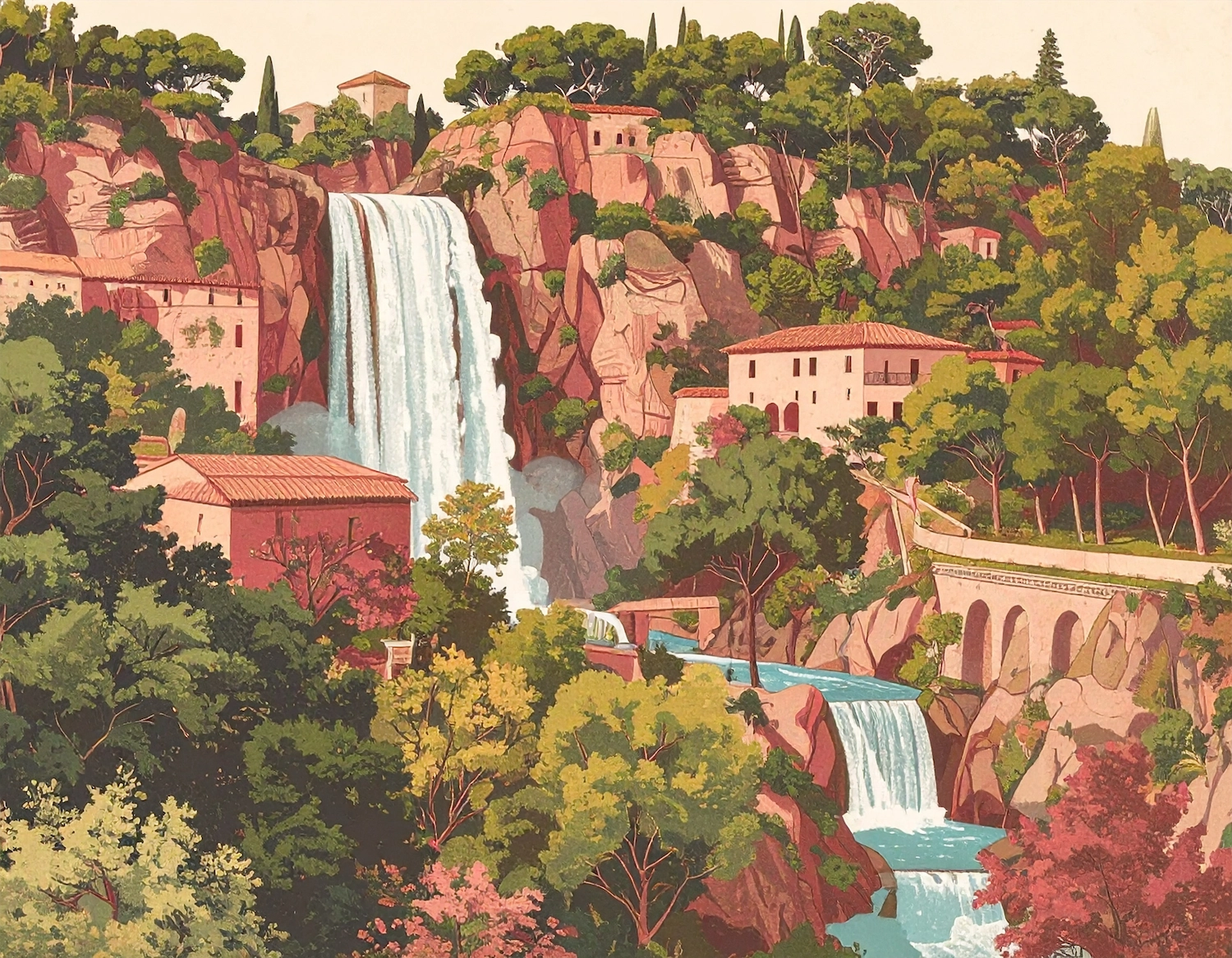
Mr. Cayo, Víctor, Laly and Rafa walk carefully beside the spectacular waterfall that tumbles between the village houses on its way to the Ebro. It is one of the most recognisable landscapes in the film and, today, in the whole province.

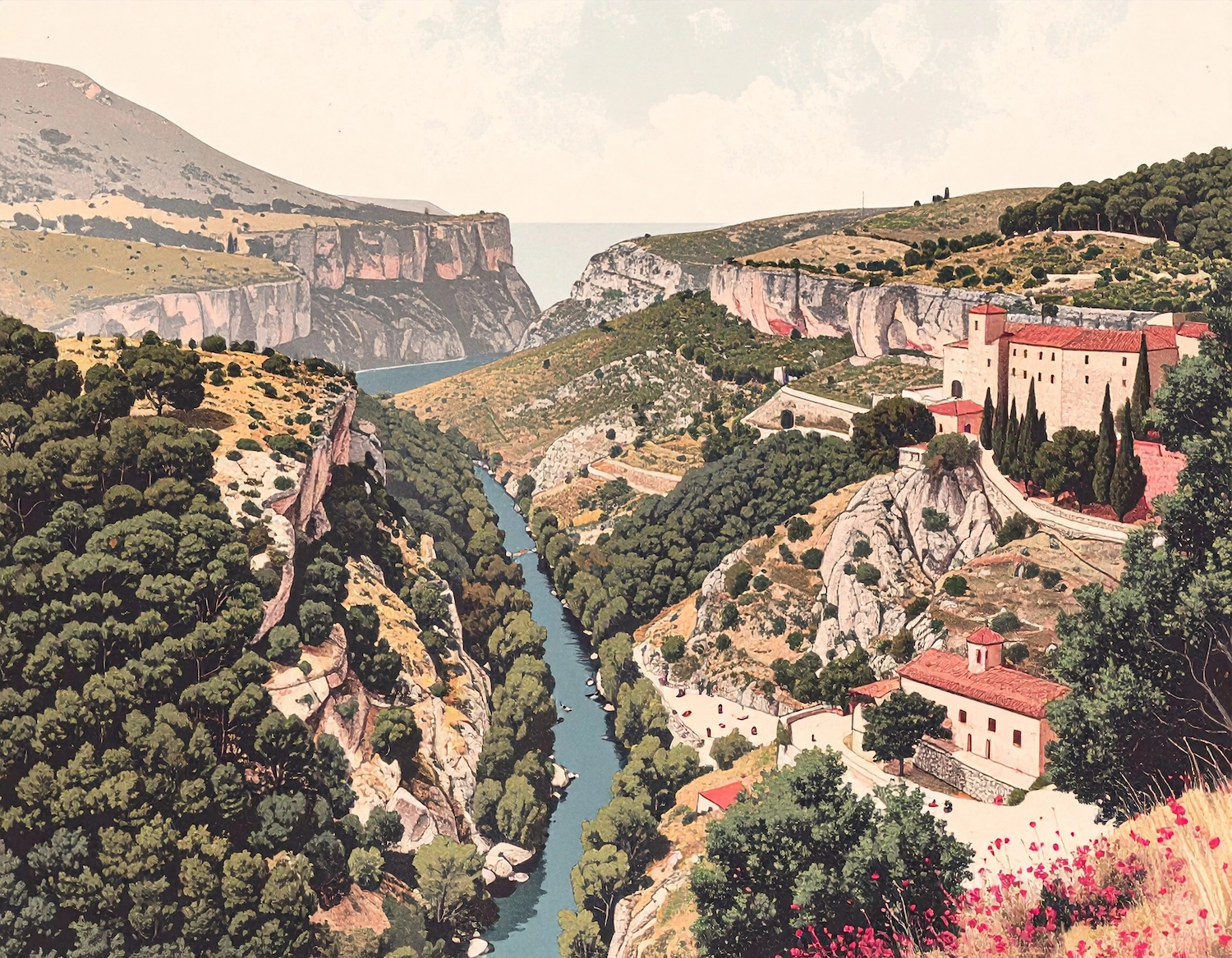
Ebro Canyon viewpoint, Pesquera de Ebro
Looking down on the valley

Ebro Canyon Viewpoint

BU-V-5143 road, Pesquera de Ebro, Burgos, Spain

Víctor leans over the viewpoint and gazes at the river at the bottom of the vast canyon: the city politician facing a landscape that no election manifesto could ever contain.

The canyon is part of the Hoces del Alto Ebro y Rudrón Natural Park.

Cortiguera
Mr. Cayo, up on the ladder

Cortiguera

Calle Mayor, Cortiguera, Burgos, Spain

Standing on a ladder, Mr. Cayo prunes the branches of a tree while talking with Víctor, Laly and Rafa. While they talk about votes, he carries on with his work: a scene that sums up the film.

Cortiguera, perched over the Ebro canyon, is now practically uninhabited: the depopulation the film portrayed can be seen here with the naked eye.

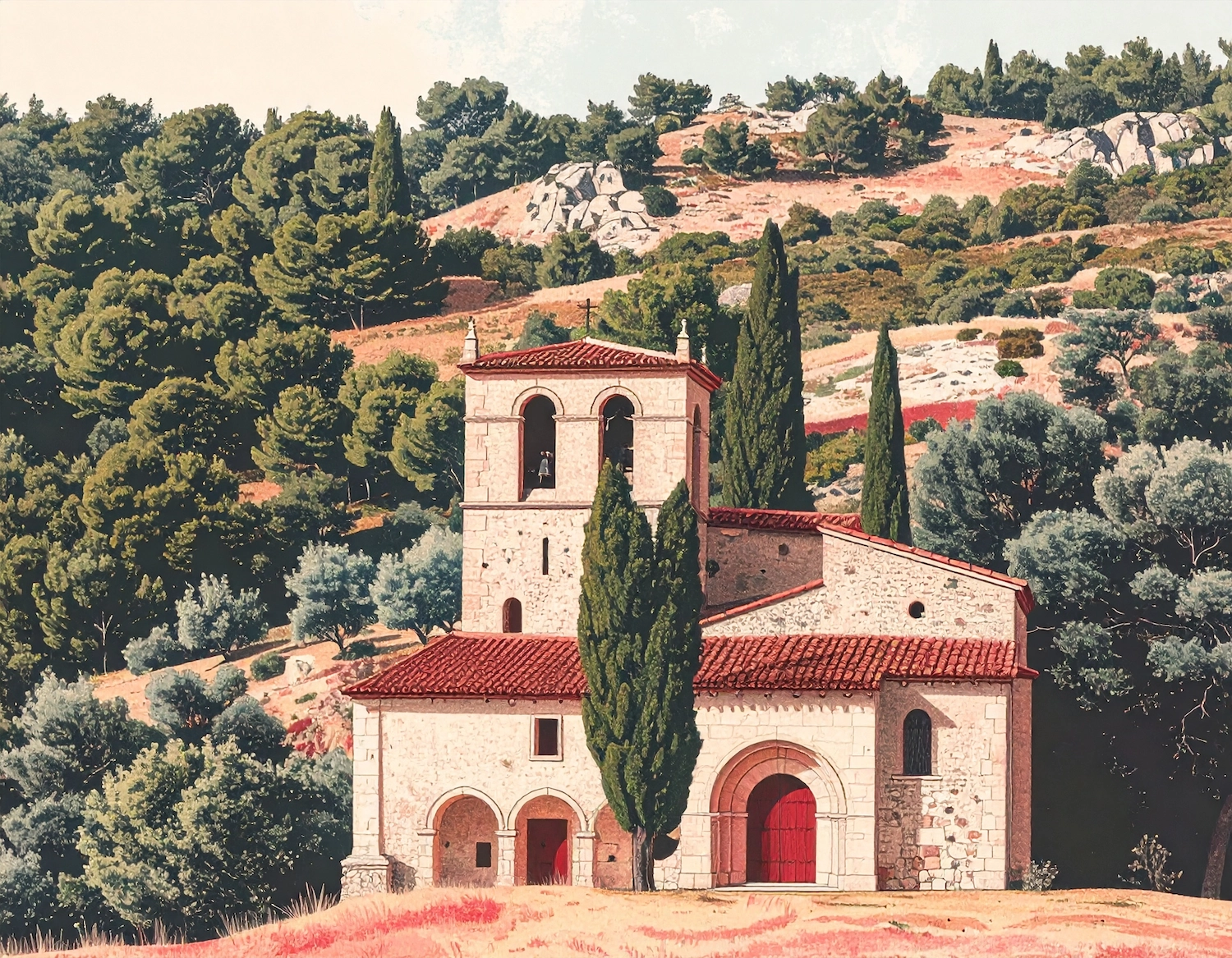
Huidobro church
By the old church

Church of San Clemente, Huidobro

Huidobro, Burgos, Spain

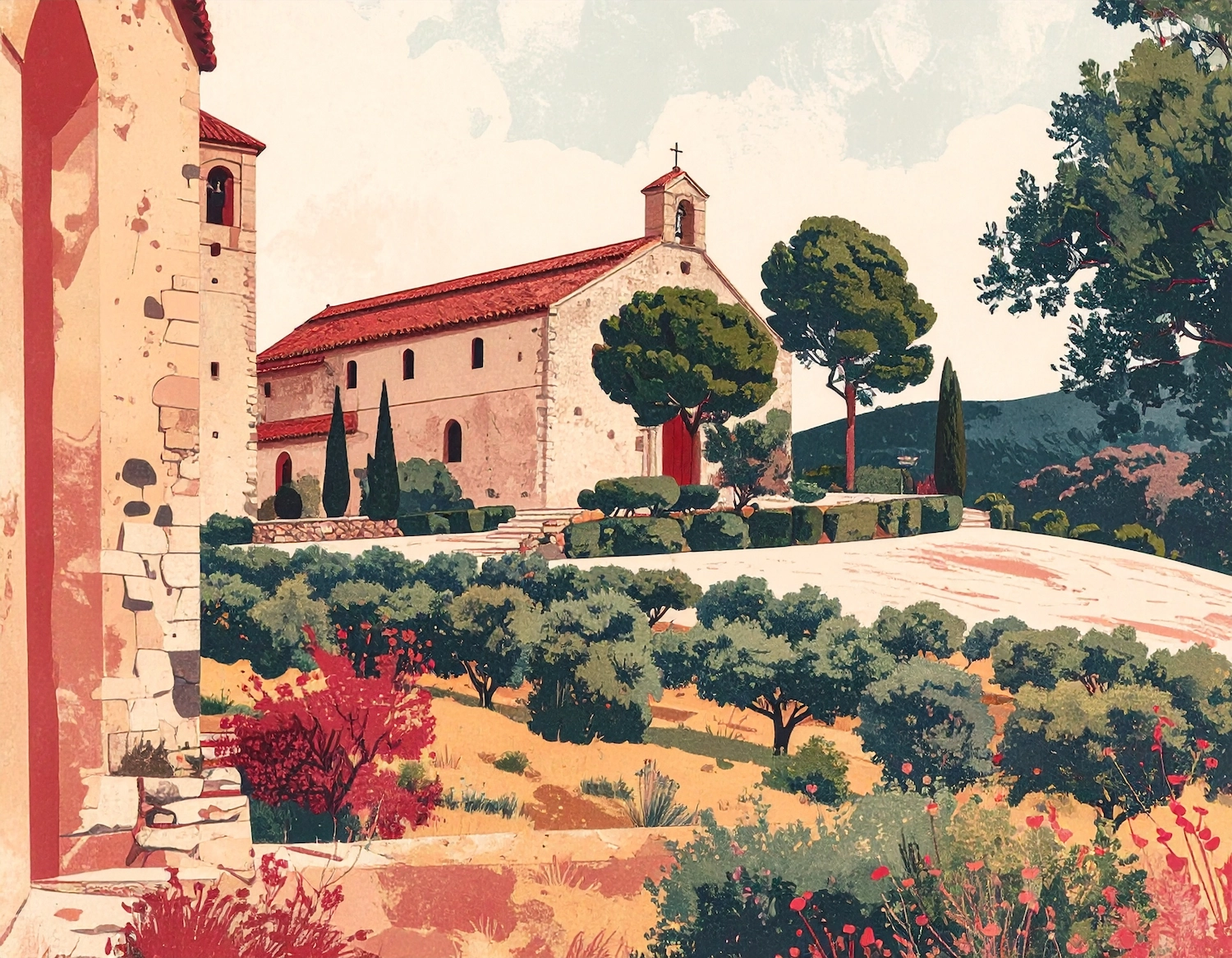
Mr. Cayo talks with the three young people beside an old church. The almost empty village is the ideal setting for a story about places that are slowly running out of voices.

They went up to ask for his vote. They came back knowing how much they still had to learn.

The route in one sentence Forty years on, the film's question is still open.

From page to screen

The film and the novel

1986

El disputado voto del Sr. Cayo (The Disputed Vote of Mr. Cayo)

Directed by Antonio Giménez-Rico, starring Francisco Rabal, Juan Luis Galiardo, Lydia Bosch and Iñaki Miramón.

View on TMDB
1978

El disputado voto del señor Cayo

The Miguel Delibes novel on which the film is based, written after the 1977 elections.

40th anniversary · Promotion

Stay on Mr. Cayo's route

Stays from 30 October to 30 November 2026

Recommended hotel

La Casona de Escalada rural hotel: 5% off the booking rate and breakfast included for every guest on the booking.

1,000 Moovle Points

For LocHunter users, redeemable in our partners' loyalty programmes. One bonus per booking.

Supported by

Burgos Film Commission.

How to get it

  1. Download Moovle App and sign up.
  2. When booking on the hotel's website, enter the code SRCAYO followed by your Moovle ID in the "Comments" field. Example: SRCAYO-123456.
  3. The discount is applied at check-out.
  4. Once the promotion ends, you will receive your Moovle Points in the app.
Curiosities

A few small big stories

01

Delibes wrote the novel in the wake of the June 1977 elections, the first free ones in four decades. When Giménez-Rico brought it to the screen in 1986, the Transition was already recent history, and the film could look back on that campaign with almost a decade of distance.

02

Long before anyone spoke of "emptied Spain", the story was already turning its attention to villages losing their people. Walking through Cortiguera or Huidobro today proves that portrait was no literary exaggeration.

03

The Orbaneja del Castillo waterfall springs from a cave above the village and runs through it, leaping between the houses until it reaches the Ebro. It is one of the most photographed spots in the province of Burgos.

04

For centuries Poza de la Sal lived off its salt flats, and it is where Félix Rodríguez de la Fuente, Spain's best-loved naturalist, was born. Two very different ways of looking at the land, in one small town on the Burgos plateau.

05

When we started preparing this route to celebrate the film's 40th anniversary, nobody knew that November 2026 would once again be a month of general elections in Spain. The coincidence is almost scripted: the story of an election campaign turns forty just as the country returns to the polls. Delibes would surely have smiled.

Now you know the story

Now, go and walk it

Step-by-step navigation through the high-plateau villages and Ebro canyons where the film was shot, straight from Moovle App.

Open route in the App